Italian Family Lost Their Kids for Living Off-Grid. Here's Why Australia's Different
An Australian mother's off-grid life in Italy ended when courts took her children. Learn why Australian regulations protect alternative lifestyles—and what you need to know.
11/25/20255 min read


Last week, an Australian mother living off-grid in the Italian countryside had her three children forcibly removed by authorities. The case has sparked international outrage and a petition with over 33,000 signatures. But here's the question nobody's asking: Could this happen in Australia?
I've spent the past week researching this heart-wrenching case, and what I found reveals critical lessons for anyone considering off-grid living—especially here in Australia. The differences between Italian and Australian regulations could mean the difference between living your dream and losing your family.
The Dream That Became a Legal Nightmare
Catherine Birmingham, a 45-year-old former horse riding instructor from Australia, and her British partner Nathan Trevallion, 51, thought they'd found paradise in 2021. They purchased a remote farmhouse in Palmoli, Abruzzo—a mountainous region in central Italy—and set out to live the ultimate sustainable dream.
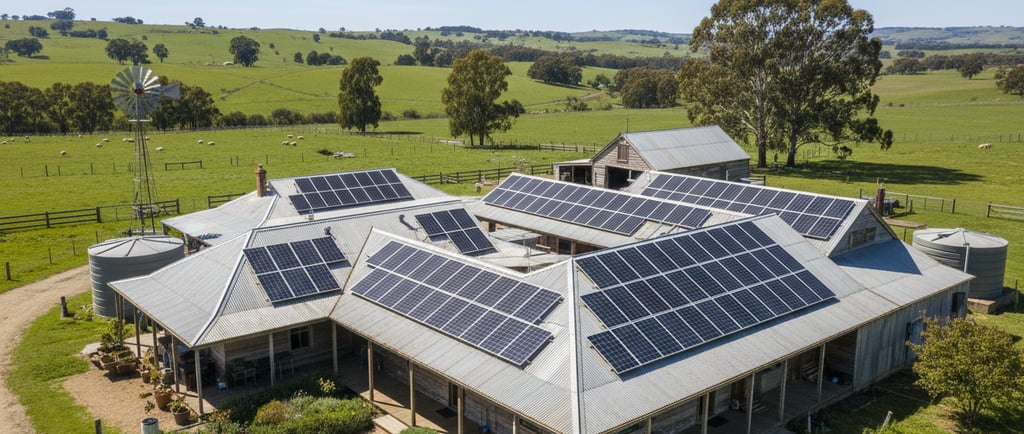
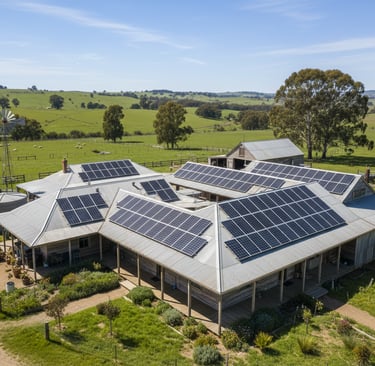
Their vision was beautifully simple: solar-powered living, water drawn from a well, an outdoor composting toilet, and organic gardens feeding their family. The children—an 8-year-old daughter and 6-year-old twin boys—were homeschooled. The family raised chickens, donkeys, and horses. According to Italian media reports, the children were "happy and healthy."
Then, on November 21, 2025, everything shattered.
Italian authorities, acting on a juvenile court order from L'Aquila, removed all three children from their parents' custody. The court cited "serious harm to the children's development," pointing to:
Inadequate housing (structure not deemed livable)
Lack of social interaction
No stable income
Absence of sanitation facilities
Children not enrolled in formal schooling
The children are now in a foster facility in Vasto, a coastal town hours from their forest home. Catherine has been allowed to stay with them but must sleep in separate accommodation. Nathan remains at the property, publicly denouncing the decision as an "injustice."
"How can you tear children away from their parents?" he told reporters. "They will be traumatised."
Why This Case Matters for Every Australian Considering Off-Grid Life
Here's where this story becomes critically relevant: Catherine Birmingham is Australian. And if you're reading this from Canberra, Sydney, Melbourne, or anywhere across this country, you need to understand one fundamental truth:
Australian authorities would almost certainly NOT have removed these children.
Australia has a fundamentally different regulatory philosophy toward alternative lifestyles than Italy. But—and this is crucial—there ARE rules you must follow. Understanding the difference could protect your family while still allowing you to pursue sustainable independence.
Let me break down exactly how Australia differs from Italy, and what you need to know to stay on the right side of the law.
The Australian Difference: Three Critical Legal Protections
1. Homeschooling is Your Legal Right (If Registered)
Unlike Italy's rigid compulsory schooling system, Australia protects homeschooling in all states and territories—including ACT and NSW where many off-gridders settle.
In NSW: You register with the NSW Education Standards Authority (NESA). Registration is free and requires:
Application showing educational plan based on NSW curriculum
Home visit from Authorised Person (usually 2-3 weeks after application)
Approval within 90 days (often faster)
Annual renewal with learning records
In ACT: You register with the Education Directorate. Again, registration is free and process is similar to NSW.
The Italian family's fatal mistake? They never registered their homeschooling with Italian authorities, who view school attendance as a non-negotiable children's right that parents cannot waive. In Australia, proper registration would have completely protected them on this front.
Bottom line: Homeschooling off-grid in Australia is 100% legal and free—you just need to do the paperwork.
2. Building Standards Assess Safety, Not Lifestyle Choices
The Italian court highlighted that the family's farmhouse wasn't "deemed livable." This is where Australian regulations show their flexibility.
You can absolutely live off-grid in Australia—thousands do it across rural NSW, ACT outskirts, Queensland, and Tasmania. However, you typically need:
Development approval for your dwelling (even tiny houses or caravans used as permanent residence)
Compliance with minimum standards under the Building Code of Australia (structural safety, ventilation, basic sanitation)
Septic system or composting toilet approval from your local council
Water supply meeting health standards (bore water, rainwater with proper filtration)
The crucial difference: Australian councils assess whether your dwelling is safe, not whether it's conventional. I've seen approved off-grid homes ranging from shipping containers to mud-brick buildings to modern tiny houses. As long as they meet structural and safety standards, councils generally approve them.
What triggers Australian council action: Unpermitted structures, unsafe electrical work, contaminated water sources, or fire hazards. But the usual response is "bring it up to code" with a compliance order—not "we're taking your children."
The Italian family appears to have renovated without permits and lacked approved sanitation. In Australia, this might result in a council fine or stop-work order. Child removal? Extremely unlikely unless there's evidence of actual harm to children.
3. Child Welfare Focuses on Outcomes, Not Parental Choices
This is the most critical distinction, and it explains why Australia's approach better balances parental freedom with children's rights.
Italian authorities seemed to equate "living off-grid" with "child neglect." Australian child protection services operate differently. They ask:
Are children's basic needs met (adequate food, safe shelter)?
Are they receiving healthcare (immunizations, regular check-ups)?
Are they developing appropriately (social, emotional, educational milestones)?
Are they in physical danger (structural hazards, extreme weather exposure)?
Living without running water, using composting toilets, or homeschooling are not automatically red flags in Australia. Many families across rural Australia live this way legally and safely.
What WOULD trigger Australian intervention:
Evidence of malnutrition or food insecurity
Untreated serious medical conditions
Unsafe living conditions (collapsing structures, exposure to extreme elements)
Educational neglect (no homeschool registration, children significantly behind developmental milestones)
Abuse or domestic violence
Based on media reports, the Italian family exhibited none of these issues. Their children were healthy, engaged with pediatricians, and reportedly thriving. In Australia, this case likely never progresses beyond a routine welfare check that finds no concerns.

What Comes Next: The Real Cost of Freedom
Understanding your legal protections is just the first step. Catherine Birmingham's story reminds us that off-grid living isn't just about legal compliance—it's also about practical sustainability.
While Australian law protects your right to live alternatively, there's one critical barrier we haven't addressed yet: money.
The Italian family purchased their Abruzzo property for a fraction of what similar land costs in Australia. And this financial reality fundamentally changes what "off-grid living" looks like in the Australian context.
In Part 2 of this series, I'll break down the real costs of off-grid living in Australia—from land acquisition to infrastructure setup. Because understanding the law is crucial, but knowing whether you can actually afford it is equally important.
Next week: "The Real Cost of Off-Grid Living in Australia: Land, Infrastructure & Budget Reality"
Join the Conversation
Are you considering off-grid living in Australia? Have you already made the leap? I'd love to hear your story.
Leave a comment below and share:
• What concerns you most about making this lifestyle change?
• Which state are you considering for your off-grid property?
• Have you navigated the homeschooling registration process? What was your experience?
• What legal questions do you still have about off-grid living in Australia?
Your insights help build a community of informed, prepared off-gridders. And if you found this article helpful, please share it with anyone considering alternative living in Australia.
Let's help more families understand their rights and make informed decisions about off-grid life.